John Chua graduated from the Singapore campus of James Cook University in 2023 with a Bachelor of Science (Majoring in Aquaculture Science and Technology). He is the Co-Founder of the Animal Welfare Academy and Rethink Good.
James Cook University (JCU) is committed to creating a brighter future through education and research that makes a difference both locally and globally. This commitment is reflected in the university’s prestigious EduTrust Star quality mark, awarded for the highest level of quality assurance under the EduTrust Certification Scheme by SkillsFuture Singapore (SSG) for Private Education Institutions (PEIs) in Singapore.
JCU’s focus on sustainability is deeply embedded in its curriculum and extracurricular activities, making it an ideal environment for students with a passion for making a difference. For John Chua, a 2023 graduate with a Bachelor of Science (Majoring in Aquaculture Science and Technology), JCU’s values have been a perfect match for his ambitions. As the Co-Founder of the Animal Welfare Academy and ReThink Good, John is dedicated to enhancing animal welfare and promoting accessible sustainable living.
He shares how his experiences at JCU have shaped his journey and continue to drive his passion for creating meaningful change.
How did your passion for animal welfare and environmental sustainability develop?
I personally believe that animal welfare extends beyond just companion animals like dogs, cats, and rabbits. It should encompass wildlife as well.
While doing my clinical rotation at SPCA Singapore in 2017 during my poly days, I saw countless cats affected by ‘high-rise syndrome’. Out of curiosity or sheer instinct, these cats would jump or fall from great heights, leading to severe injuries or, tragically, death. It was disturbing to see cats that had been intentionally harmed. It made me question how anyone could be so callous. Additionally, while running in the park during my Army days, I noticed many injured pigeons struggling to survive with broken wings or missing feathers. It struck me that the cruelty and indifference I had seen with domestic animals also affects wildlife.
I realised that the ability to feel pain connects all creatures. Our treatment of domestic animals reflects our broader attitudes toward nature and wildlife. If we can’t show love and respect for our animals at home, how can we protect nature and wildlife, which are integral to our survival?
This realisation made it clear that our actions toward domestic animals, wildlife, and the environment are interconnected. The harm we inflict on one affects the others, and protecting our environment means protecting all forms of life within it. This understanding has shaped my commitment to advocating for a more compassionate world where every being—domestic or wild—is valued and protected.
That’s insightful! How has your time at JCU prepared you for your work in animal welfare and environmental sustainability?
My Bachelor of Science (Majoring in Aquaculture Science and Technology) at JCU provided a comprehensive foundation for my work in environmental sustainability. The curriculum offered the flexibility to explore a diverse range of subjects, from sustainability and environmental science to ecology and food systems.
This multidisciplinary approach taught me the critical aspects of environmental economics, biology, and ecology while integrating practical applications like Environmental Impact Assessments and Sustainability Assessments. It wasn’t just about learning theory; I also learned how to measure and analyse real-world impacts.
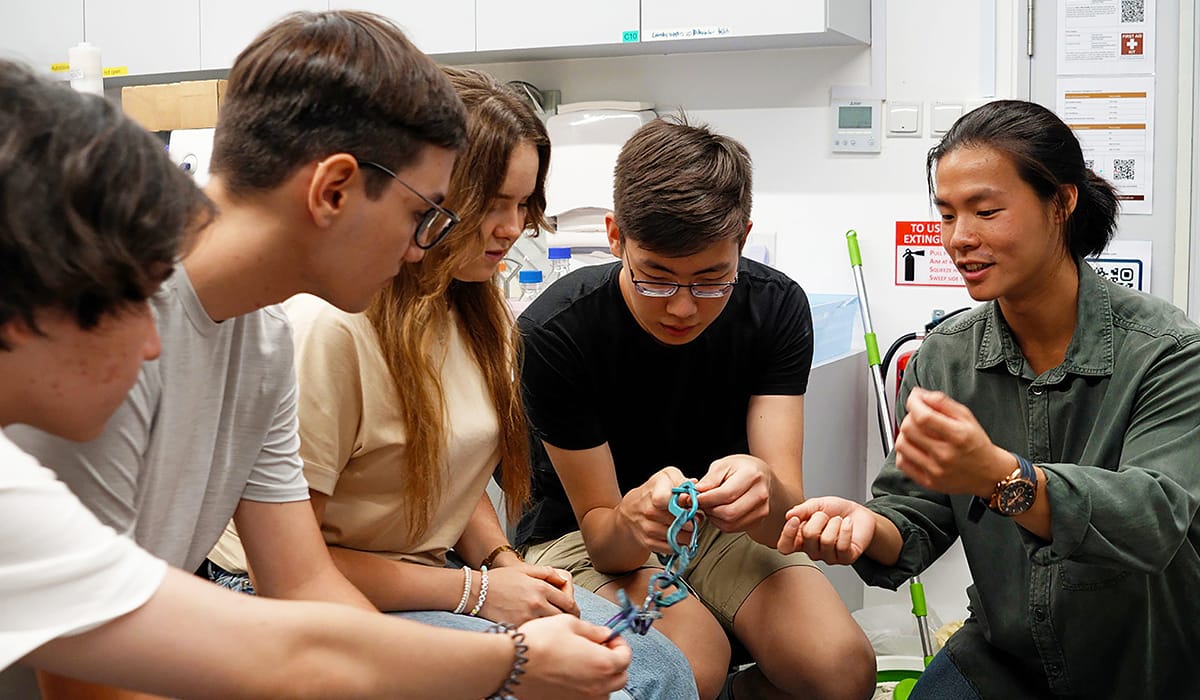
JCU also offers the opportunity to participate in intercampus exchange programmes with its Townsville and Cairns campuses. This allows students to experience different cultures and environments. Additionally, we had field trips to significant sustainability and environmental sites such as the Sustainable Singapore Gallery, PUB WaterHub, Marine Aquaculture Centre (MAC) on St. John’s Island and Resorts World Sentosa Aquarium. These excursions offered insights into how sustainable practices are implemented in real-world settings and reinforced the importance of environmental stewardship in both aquaculture and broader ecological contexts.
As President of the Environmental Science and Aquaculture Society (ESAS) at the Singapore campus of JCU, I also organised talks by industry experts on topics like sustainable food production and career opportunities in environmental and aquaculture fields. These experiences expanded my knowledge and helped me build a network of sustainability-focused professionals and peers.
What advice would you give to students who are considering an education at JCU?
I would advise prospective students to carefully consider their interests and choose a pathway that aligns with their passion. Whether it’s fish farming, environmental science, or another area, JCU offers a wide range of specialised courses that support these interests.
Beyond academics, there are plenty of opportunities to have fun and gain valuable experience at JCU. From recycling workshops to participating in projects abroad, there’s always something exciting to get involved in.
So, dive in (pun intended because I majored in Aquaculture Science), explore your interests, and take full advantage of the opportunities JCU has to offer!