
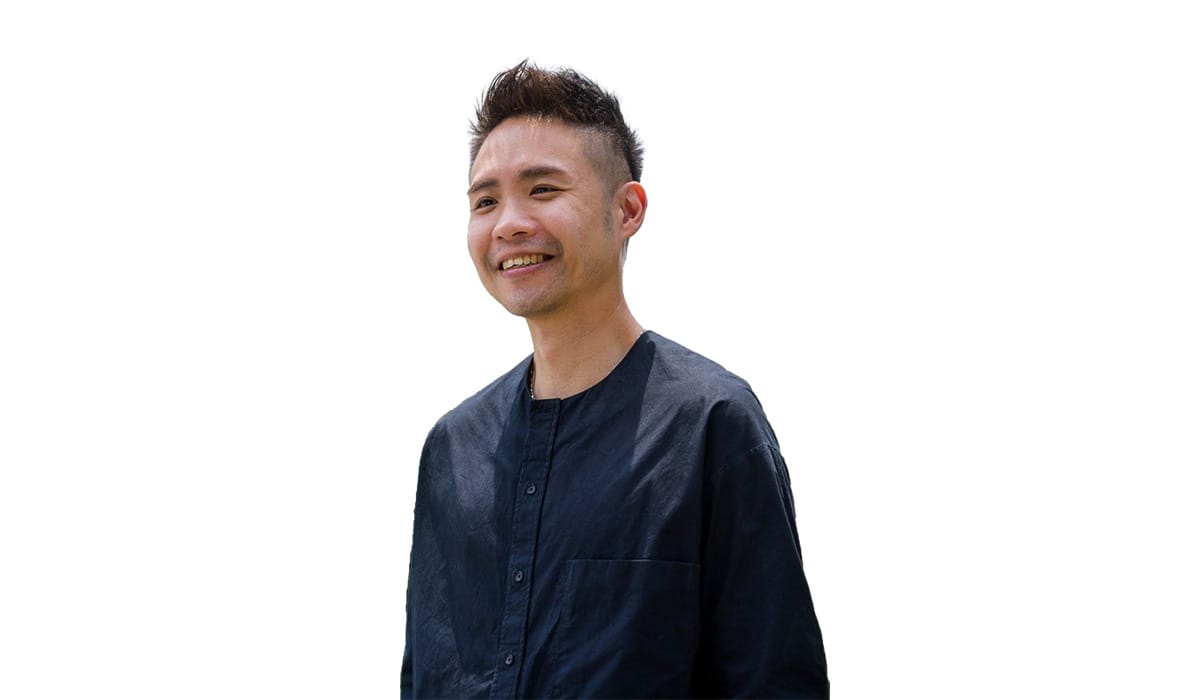
David Chew
Could you tell us more about your career journey and experience as a mentor? What motivated you to mentor young professionals?
I didn’t set out with the intention of becoming a mentor—it happened quite organically. My first job as a journalist brought me in contact with many people across various fields, many of whom became informal mentors to me. They generously shared their time and advice. I was lucky to have that guidance early on and it shaped where I am today.
Starting in broadcast journalism at CNA (Channel NewsAsia), I later worked as an art and design correspondent at TODAY newspaper, which helped me build a broad network. After further studies in the United Kingdom and a brief stint in a branding consultancy, I returned to Singapore to join the National Heritage Board, eager to contribute to the museum and cultural sector here. During this transition, I actively sought mentors to advise me on navigating systems within the public sector.
Mentorship became a natural extension of my career. I was fortunate to have had mentors like the late architect William Lim, who was pivotal in guiding my early career decisions. As a young journalist, he would take me under his wing, meeting me for lunch every three months to discuss various developments in the arts and culture sector.
Mentoring is my way of giving back. I’ve seen firsthand how much of a difference it can make, not just for me but also for the people I’ve worked with over the years.

Could you share some success stories where mentoring significantly impacted the individuals you’ve worked with?
I mentored an artist who was initially unsure of how to structure her career. Her goal was simply to become a better artist. We devised a detailed development plan that included residencies and projects, starting locally and then expanding internationally. Today, that artist has started on her development path and first steps towards her goal.
Another example involves an artist who aspired to become a curator. We tailored a plan to build the skills necessary for both roles, and she successfully curated her first exhibition recently. Mentorship isn’t just about providing advice—it’s about helping individuals create actionable plans, breaking them down into realistic steps and guiding them through these steps to achieve their goals.
How can one effectively seek out the right mentor?
Finding the right mentor involves several key steps. First, identify someone in the sector you aspire to enter who possesses the experience and knowledge you seek. It’s crucial to find a mentor with a compatible personality and approach to ensure effective guidance. I once had a mentor who wasn’t suited to my way of thinking, which hindered my progress. The right mentor should understand how to provide the structure and support you need.
Additionally, actively put yourself out there and build connections. Attend industry events, join professional networks, and participate in online forums relevant to your field. Don’t be shy about reaching out to potential mentors; being proactive is essential. Seeking a mentor is a conscious decision, and while many of us, particularly in Asian cultures, might be hesitant to ask for help, taking that step can be incredibly rewarding. The rest is about timing and a bit of luck!

Entering the workforce can be daunting for fresh graduates. What steps can they take to effectively prepare for this transition?
Networking is key. I’ve never formally applied for a job—all my roles came through word-of-mouth and connections. For fresh graduates, it’s essential to tap into your network, even if it’s through casual conversations with family or friends. You never know when a contact will come in handy.
LinkedIn is a great tool for building connections, but it’s important to have something tangible when reaching out. If you’re working on a project or have a specific interest, use that as a conversation starter. Mentors, especially, appreciate it when mentees have a clear idea of what they want to achieve.
I also recommend that students take on internships and projects before they graduate. It’s a great way to test the waters and discover what you enjoy. My own experience interning at CNA during the summer solidified my passion for journalism and news, which ultimately shaped my career.
What skills can they focus on developing to remain adaptable and competitive in their careers?
Curiosity is one of the most valuable traits you can develop. Being curious about things beyond your immediate sector can open up opportunities. In today’s multidisciplinary world, having a broad understanding of various fields is increasingly important. For example, my background in business management has been helpful especially in the cultural sector, allowing me to see the bigger picture in terms of organisational structure and resource management.
Emotional intelligence (EQ) and communication skills are also critical. While technology dominates many workplaces, face-to-face communication remains vital for building strong team dynamics and accomplishing tasks. Understanding human psychology, team dynamics, and organisational culture can make you a more effective leader and team player.

Finally, if you could offer one piece of advice to fresh graduates entering the workforce today, what would it be?
Never take ‘no’ for an answer. As a fresh graduate, you may not know everything, but you should view every challenge as an opportunity. Life is an adventure, and it’s important to be open to possibilities. Don’t shy away from new experiences—say yes to opportunities, even (or especially) if they’re outside your comfort zone. You never know where they might lead you.